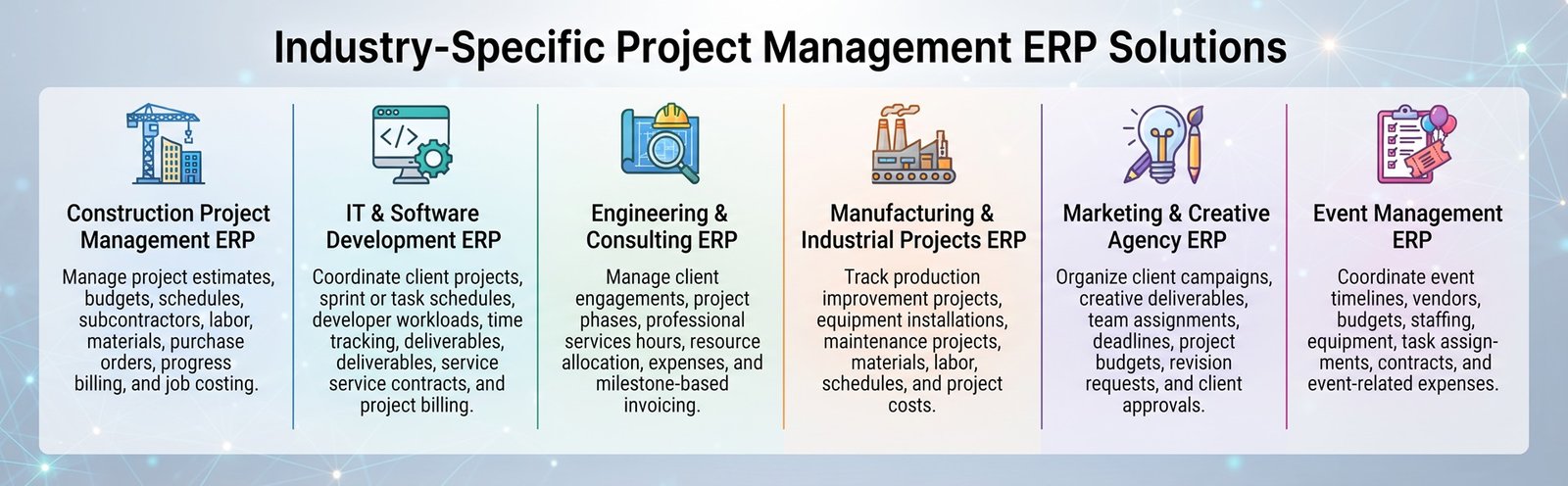
Project-based businesses often manage tasks, employee schedules, project expenses, budgets, documents, and client communications across separate tools. This can create information gaps, reporting delays, resource conflicts, and difficulty tracking project profitability. STSB provides custom Project Management ERP development to connect project planning with essential business operations. Our solutions can bring project management, resource allocation, time tracking, budgeting, procurement, invoicing, reporting, and team collaboration into one integrated platform.
Whether you manage construction projects, IT implementations, consulting engagements, engineering work, or multiple client projects, we can build an ERP system tailored to your project lifecycle and operational requirements.
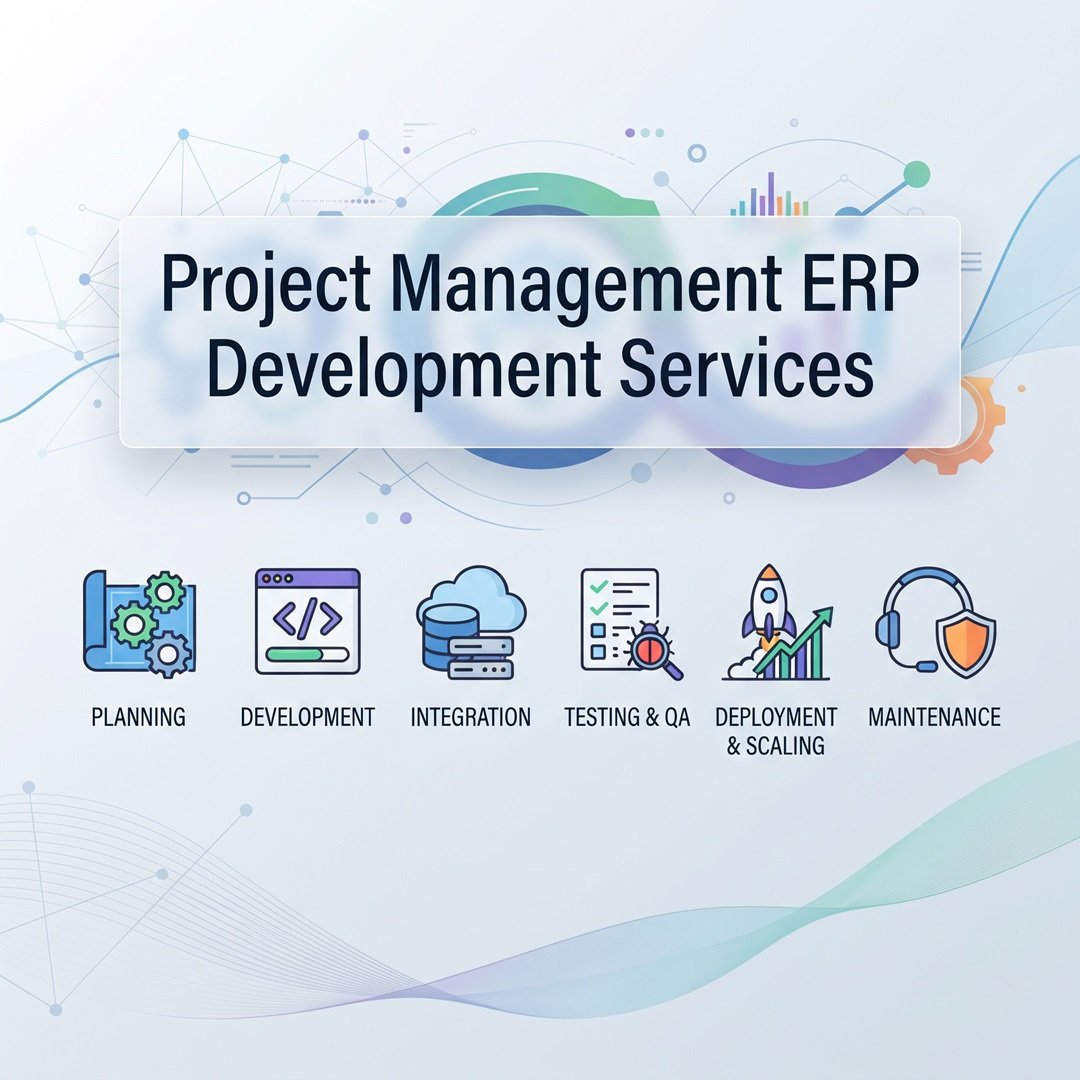
Custom Project Planning & Scheduling ERP
Organize projects, define milestones, assign tasks, set deadlines, manage dependencies, and monitor project schedules. Build workflows that help teams coordinate activities and identify potential delays earlier.
Project Budgeting & Cost Management ERP
Track planned budgets, labor costs, material expenses, purchase costs, and other project spending. Compare budgeted amounts with actual costs to support financial control and profitability analysis.
Resource & Workforce Management ERP
Allocate employees, contractors, equipment, and other resources across projects. Monitor workload, availability, utilization, and assignments to reduce scheduling conflicts.
Project Time Tracking & Timesheet ERP
Record hours against projects and tasks, review timesheets, track billable and non-billable time, and connect approved work hours with labor costing and invoicing workflows.
Project Reporting & Analytics ERP
Review project status, task completion, budget variance, resource utilization, deadlines, and profitability through dashboards and customizable reports.
Project Collaboration & Client Portal ERP
Centralize project documents, updates, approvals, requests, and client communications. Provide role-based access so authorized clients and team members can view relevant project information.
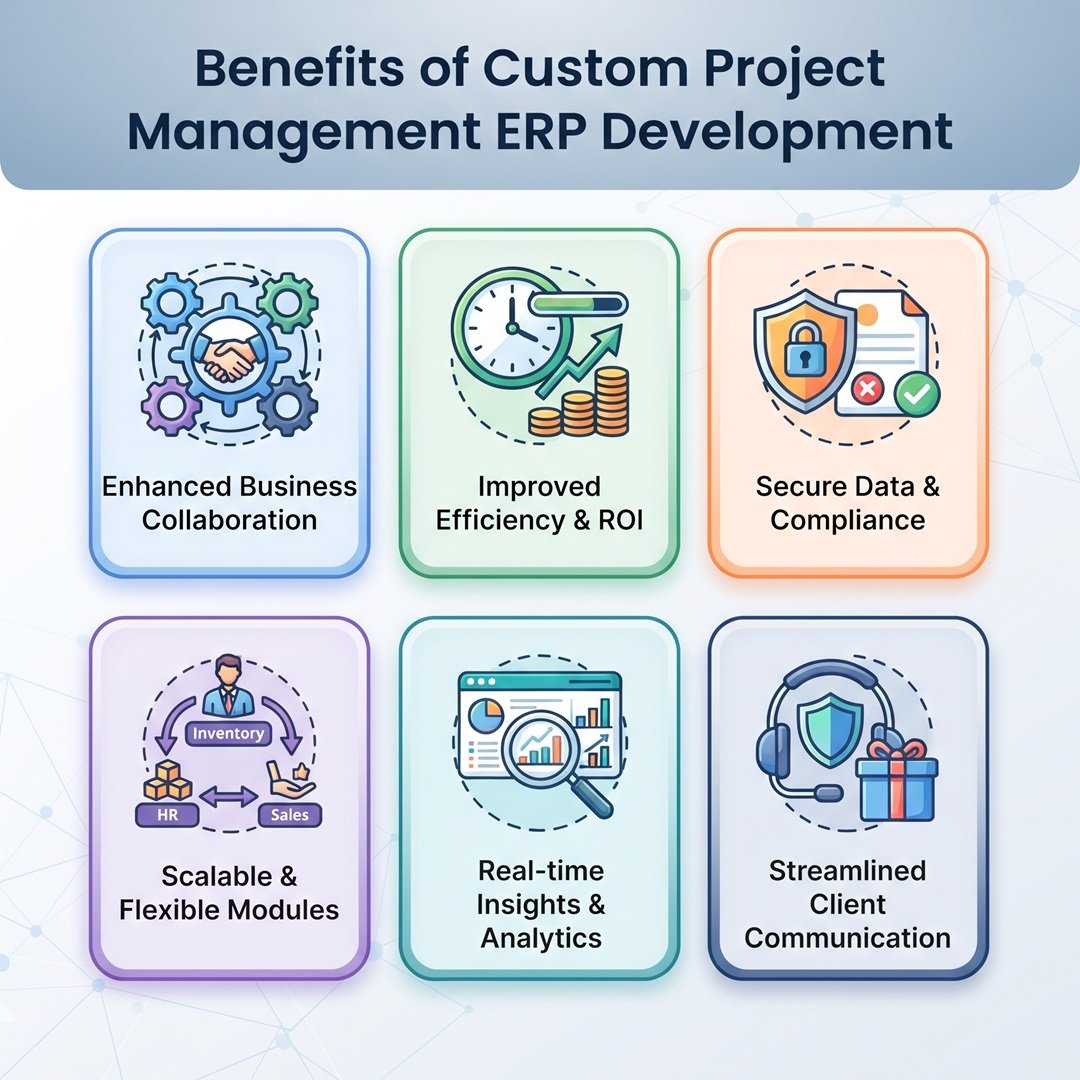
A well-planned Project Management ERP system can help your business coordinate project activities and connect operational data with financial information.
Better Project Planning
Organize schedules, milestones, deliverables, and task dependencies in one system.
Improved Budget Visibility
Monitor project expenses and compare actual costs against approved budgets.
Smarter Resource Allocation
See team availability and workloads before assigning new project responsibilities.
Connected Business Operations
Link project work with purchasing, inventory, finance, billing, and workforce management where needed.
More Informed Decisions
Use centralized reports to identify delays, cost variances, resource bottlenecks, and project performance trends.
Scalable Project Operations
Extend the system with new departments, workflows, users, projects, and reporting requirements as your business grows.
Connect project management with the other tools your business relies on. Integration options depend on the available APIs, your current systems, and the agreed project scope.
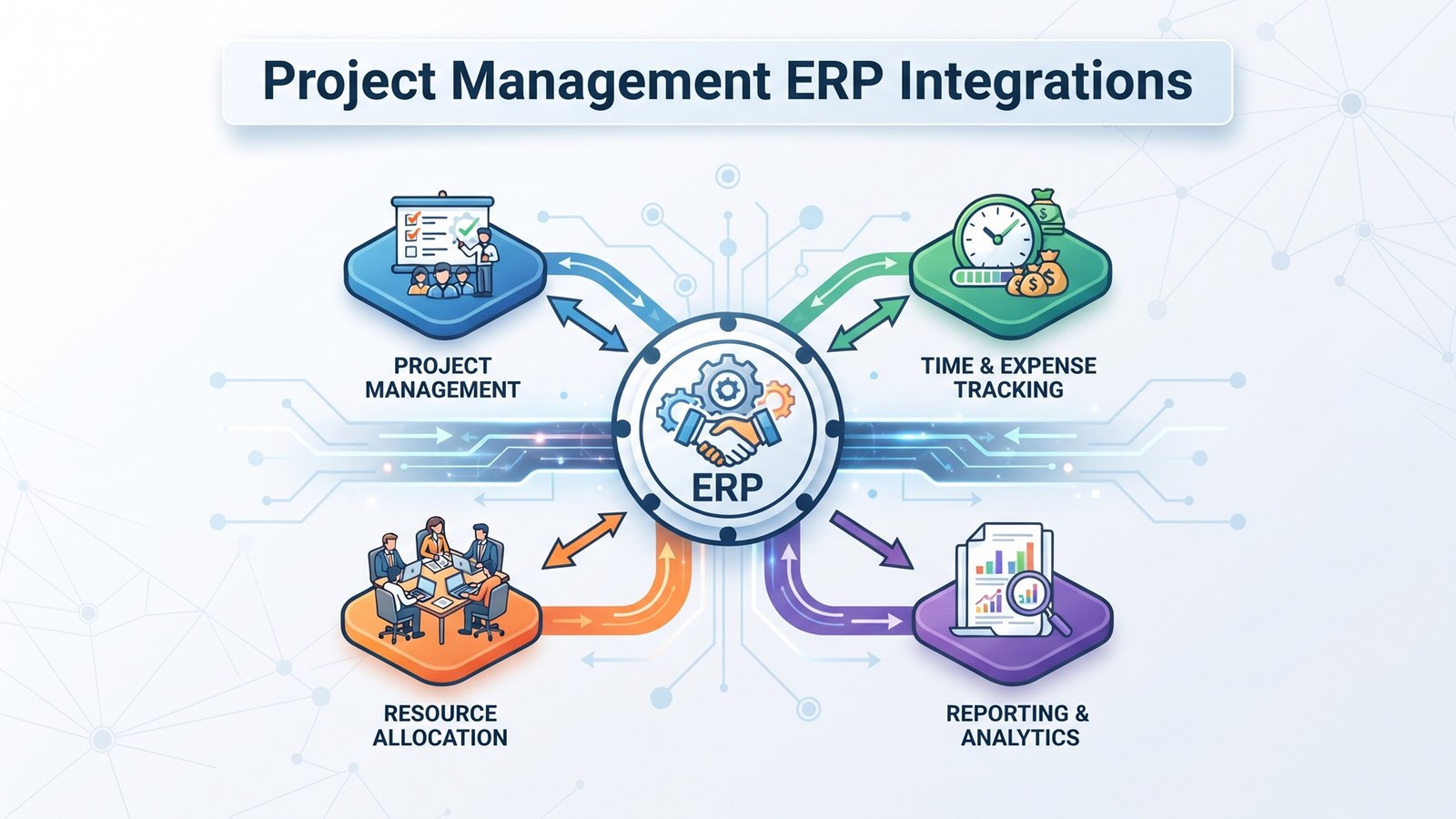
Accounting & Financial Software
Connect project expenses, budgets, billing, and financial reporting.
CRM & Sales Systems
Link client records, sales opportunities, proposals, and approved projects.
Inventory & Procurement Systems
Coordinate project materials, purchasing, suppliers, and stock availability.
Communication & Collaboration Tools
Integrate supported email, messaging, meeting, and notification services.
Cloud Storage & Document Services
Connect project documents and shared files using supported platforms.
Payment & Billing Services
Support suitable payment gateways, invoice workflows, and payment status tracking.
Protect Customer Data and Business Information
Project Management ERP software may contain confidential client information, contracts, financial records, employee details, and project documents. STSB can incorporate security measures appropriate to the system’s requirements.
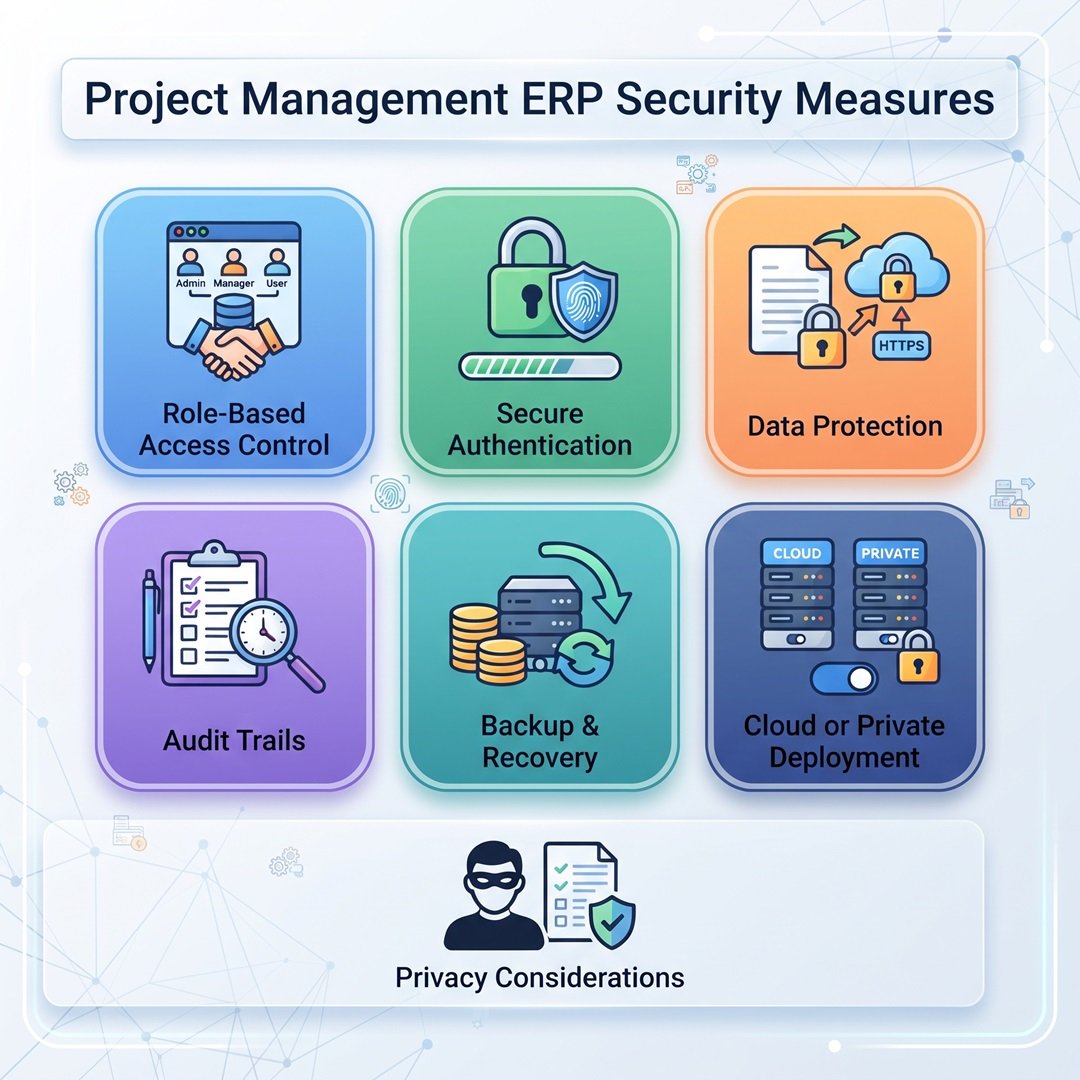
Role-based access control: Restrict project information and actions according to user responsibilities.
Secure authentication: Implement suitable authentication and password-management controls.
Data protection: Use HTTPS, appropriate encryption, and secure data-handling practices where applicable.
Audit trails: Record selected user actions, approvals, and changes for accountability.
Backup and recovery: Establish backup schedules and recovery procedures appropriate to the deployment.
Cloud or private deployment: Select an architecture based on access, infrastructure, security, and operational needs.
Privacy considerations: Design data handling around applicable contractual and legal requirements.
Security measures and compliance needs should be validated against your actual infrastructure, business practices, and applicable US regulations.